
 See Our Latest Article on HelloNation
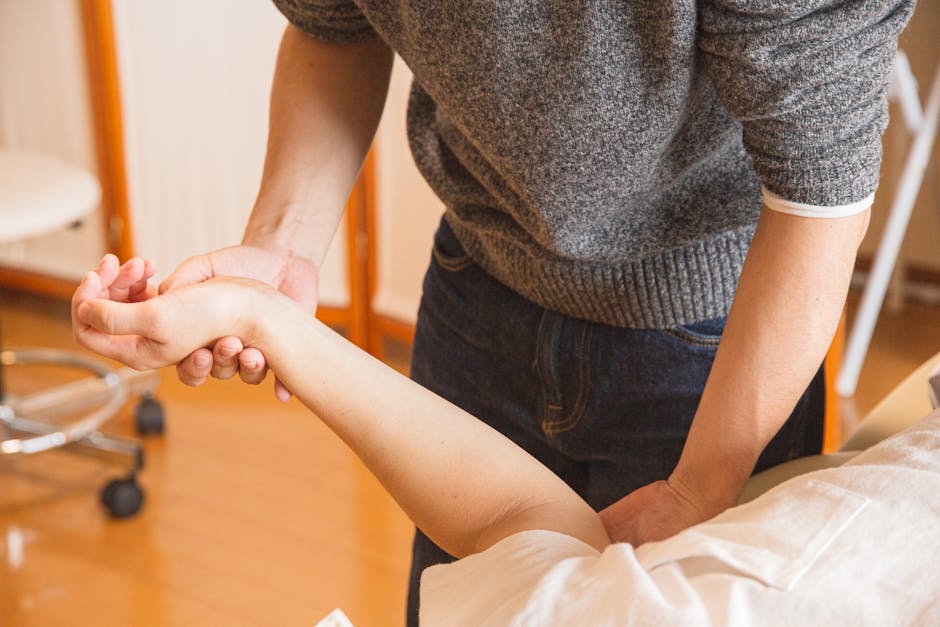
Carpal tunnel syndrome (CTS) is a common condition that affects many people in Chestnut Ridge, NY, especially those whose jobs or hobbies involve repetitive hand motions. Whether you’re spending long hours working from your home office, gardening in local parks, or crafting with your family, the symptoms of carpal tunnel—numbness, tingling, and wrist pain—can seriously impact your quality of life. The good news is, there are natural ways to manage and even relieve carpal tunnel syndrome at home, without relying solely on medications or invasive procedures.
What is Carpal Tunnel Syndrome?
Carpal tunnel syndrome happens when the median nerve, which runs from your forearm into the palm of your hand, becomes compressed at the wrist. This can be due to repetitive motions, inflammation, or underlying health conditions. Common symptoms include:
- Tingling or numbness in the fingers, especially the thumb, index, and middle fingers
- Hand weakness or trouble gripping
- Wrist pain that may extend up the arm
Why is CTS so Common in Chestnut Ridge, NY?
Chestnut Ridge is known for its active residents, from dedicated professionals commuting to NYC to enthusiastic gardeners enjoying the region’s green spaces. Many in our community juggle demanding work, family, and recreational activities that increase wrist strain—often without even realizing it. Local office workers, crafters, musicians, and even those who volunteer for community projects are all susceptible to overuse injuries like carpal tunnel syndrome.
Natural Ways to Relieve Carpal Tunnel Syndrome
1. Ergonomic Adjustments at Work and Home
Improving your workspace ergonomics is key to preventing and relieving carpal tunnel symptoms:
- Adjust your chair and desk so your wrists remain in a neutral position.
- Use a split keyboard or an ergonomic mouse to reduce strain.
- Take frequent breaks—set a timer every 30-45 minutes to stretch your hands and wrists.
Local Chestnut Ridge residents working from home can visit nearby office supply stores or online retailers for ergonomic accessories.
2. Hand and Wrist Exercises
Exercise helps stretch and strengthen the muscles in your hands and wrists, reducing pressure on the median nerve. Try these simple exercises:
- Wrist Flexor Stretch: Hold your arm out, palm up. Gently pull your fingers back with your other hand, holding for 15 seconds. Repeat 2-3 times on each side.
- Median Nerve Glide: Make a fist, then slowly open your hand and spread your fingers as wide as possible. Repeat 10 times, several times a day.
Join community yoga or fitness classes in Chestnut Ridge that concentrate on flexibility and gentle stretching.
3. Cold and Warm Compresses
Alternating between warm and cold packs can reduce inflammation and relieve pain:
- Apply a cold pack to your wrist for 10-15 minutes at a time to minimize swelling.
- Use a warm pack or soak your hand in warm water to relax tight muscles.
Many local markets in Chestnut Ridge sell reusable gel packs for this purpose.
4. Natural Anti-Inflammatory Remedies
Reducing inflammation is a core strategy for dealing with carpal tunnel syndrome. Consider incorporating these natural remedies:
- Turmeric: The curcumin in turmeric has natural anti-inflammatory effects. Add it to teas, smoothies, or meals.
- Omega-3 Fatty Acids: Foods like walnuts or flaxseed from local farmers’ markets are rich in omega-3s, which help fight inflammation.
- Herbal Teas: Chamomile or ginger tea can ease inflammation and promote relaxation.
Before starting any supplements, consult with your healthcare provider to ensure safety, especially if you’re taking medications.
5. Wrist Bracing
Using a wrist brace, especially at night, keeps your wrist in a neutral position and alleviates pressure on the median nerve. Many local pharmacies in Chestnut Ridge carry comfortable and affordable options. Be sure to choose one that fits well and keeps your wrist straight.
6. Mindful Activity Modification
If you love activities that involve repetitive wrist use—like typing, knitting, playing instruments, or gardening—learn to pace yourself:
- Alternate hands or tasks to give your wrist a break.
- Modify tools (such as using padded garden tools or thicker pens) to reduce strain.
- Take regular breaks, and gently stretch out your hands.
Chestnut Ridge’s active community offers many hobby and craft groups; consider sharing supportive tips with fellow members.
7. Professional Support
While many find relief with these home remedies, consulting with a local chiropractor or physical therapist can address underlying issues contributing to carpal tunnel syndrome. Chestnut Ridge offers access to non-invasive therapies like chiropractic adjustments, massage therapy, and physical rehabilitation tailored to your individual needs.
When to See a Doctor
If your symptoms are severe, persistent, or worsening—such as if you experience loss of grip strength, severe pain, or noticeable muscle wasting—schedule an evaluation with a healthcare professional right away. Early intervention can prevent long-term complications and provide relief.
Embrace a Healthier Lifestyle in Chestnut Ridge, NY
Living in Chestnut Ridge gives you access to a community focused on wellness and activity. By making small lifestyle changes and utilizing natural remedies, you can find relief from carpal tunnel syndrome and continue to enjoy all the activities that make our area special, from hiking local trails to spending weekends at neighborhood farmers’ markets.
Take a proactive approach, listen to your body, and don’t hesitate to reach out for professional guidance if natural methods aren’t providing enough relief. Your hands—and your lifestyle—deserve the best care possible.
