
 See Our Latest Article on HelloNation
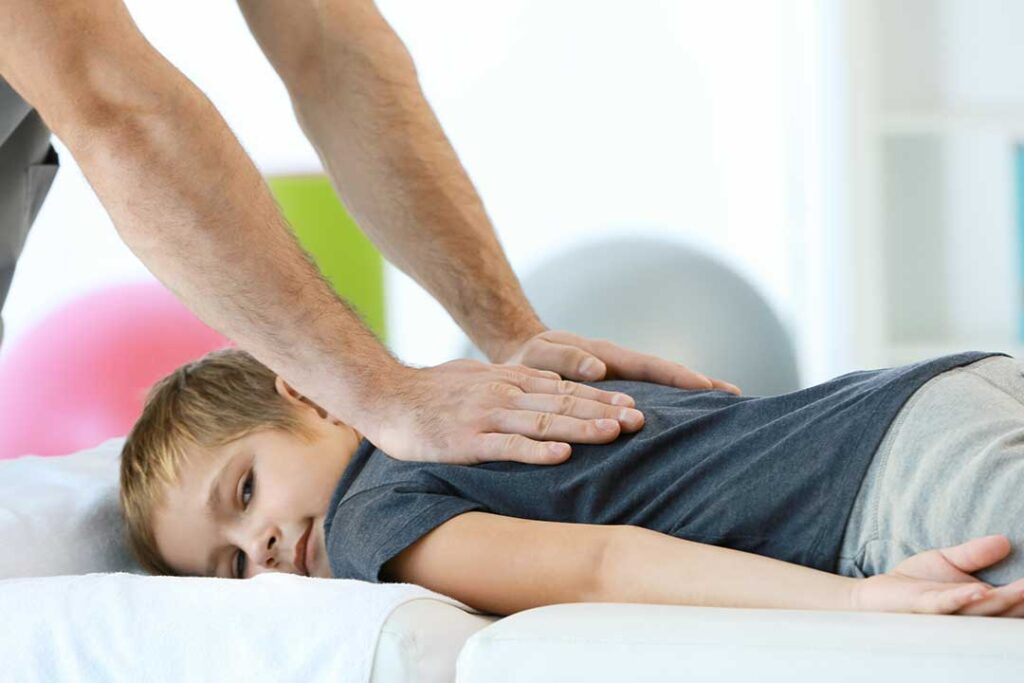
Healthy aging is not simply about avoiding illness. It also means preserving mobility, balance, strength, comfort, and the ability to keep participating in everyday activities. Chiropractic care may support some of these goals, particularly when it is used as part of a broader plan that includes exercise, medical care, sleep, nutrition, and fall prevention.
Chiropractic treatment does not reverse aging or prevent every age-related condition. Its potential role is more specific: helping some adults manage musculoskeletal pain and movement limitations so they can remain active safely.
How can chiropractic care support healthy aging?
Chiropractic care may help address certain problems involving the back, neck, muscles, and joints. Depending on the person’s condition, care may include spinal manipulation, mobilization, soft-tissue techniques, movement advice, and exercises designed to support function.
For older adults, the practical goal is often not perfect posture or a particular spinal alignment. It may be easier walking, getting up from a chair, turning comfortably, sleeping better, or completing household tasks with less discomfort.
Research summarized by the National Center for Complementary and Integrative Health indicates that spinal manipulation is one option that may provide modest relief for some people with chronic low-back pain. It is not appropriate for every diagnosis, and results vary from person to person. ([nccih.nih.gov](https://www.nccih.nih.gov/health/spinal-manipulation-what-you-need-to-know?utm_source=openai))
Pain relief can matter because discomfort often leads people to move less. Reduced activity may contribute to weakness, stiffness, lower confidence, and loss of independence over time. Supporting comfortable movement can therefore be one part of maintaining physical function.
Can chiropractic care improve balance or prevent falls?
Chiropractic care alone should not be presented as a proven fall-prevention program. Falls are influenced by many factors, including leg strength, vision, medication effects, footwear, balance, blood pressure changes, home hazards, and previous injuries.
Balance may improve indirectly if treatment helps a person move more comfortably or participate in strengthening and balance exercises. However, the most established fall-prevention strategies involve a broader approach. The Centers for Disease Control and Prevention recommends strength and balance activities, medication review, vision checks, osteoporosis screening when appropriate, and reducing hazards in the home. ([cdc.gov](https://www.cdc.gov/falls/prevention/index.html?utm_source=openai))
This is especially relevant during icy or snowy conditions in Chestnut Ridge. Outdoor walking surfaces can become slippery, while winter footwear and heavier clothing may alter a person’s usual gait. Clear lighting, secure railings, properly fitted shoes, and careful attention on steps can reduce avoidable risks.
Older adults who feel unsteady, have fallen recently, or notice a sudden change in walking should receive a comprehensive medical evaluation rather than relying on spinal treatment alone.
What role does exercise play?
Exercise is the foundation of healthy aging, whether or not chiropractic care is included. Adults age 65 and older are generally advised to combine aerobic activity, muscle strengthening, and balance work each week. Current federal guidance describes a target of at least 150 minutes of moderate aerobic activity weekly, along with muscle-strengthening activity and balance exercises, adjusted for individual health and ability. ([cdc.gov](https://www.cdc.gov/physical-activity-basics/adding-older-adults/what-counts.html?utm_source=openai))
A practical routine might include:
- Walking at a comfortable pace, indoors or outdoors
- Rising from a sturdy chair several times to build lower-body strength
- Resistance-band exercises for the arms, legs, and back
- Supported heel-to-toe walking or standing near a stable counter
- Gentle mobility exercises for the hips, shoulders, ankles, and spine
- Activities such as gardening, dancing, water exercise, tai chi, or yoga when appropriate
Strengthening the legs and hips is particularly useful for daily function. It can make tasks such as climbing stairs, carrying groceries, and standing from a chair easier. Balance exercises can improve stability, but they should be performed near a secure support if there is any concern about falling. ([nia.nih.gov](https://www.nia.nih.gov/health/four-types-exercise-can-improve-your-health-and-physical-ability?utm_source=openai))
Chiropractic care may complement this routine by addressing pain or movement restrictions that make exercise difficult. It should not replace progressive strengthening, cardiovascular activity, or balance practice.
Is spinal manipulation safe for older adults?
Spinal manipulation can cause temporary soreness, stiffness, increased pain, or headache. These effects are often mild and short-lived, but serious complications have also been reported rarely. The likelihood of harm may be higher when a person has health conditions that affect bone strength, blood vessels, nerves, or healing. ([nccih.nih.gov](https://www.nccih.nih.gov/health/spinal-manipulation-what-you-need-to-know?utm_source=openai))
Older adults should share a complete health history before treatment, including:
- Osteoporosis or a history of fractures
- Cancer or unexplained weight loss
- Recent surgery, infection, or significant injury
- Use of blood-thinning medication
- Numbness, weakness, or changes in bladder or bowel control
- Dizziness, fainting, or unusual headaches
- Inflammatory or neurologic conditions
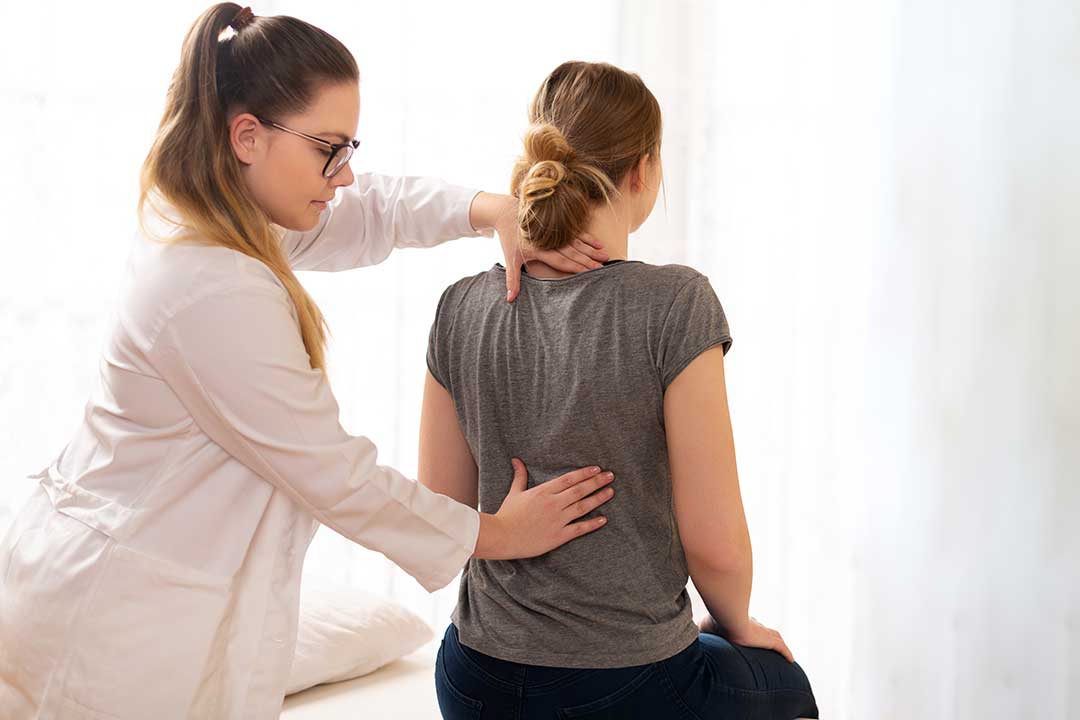
A careful assessment should guide whether manipulation is suitable, whether a gentler approach is preferable, or whether another type of care is more appropriate. A person should not be adjusted through severe pain or pressured to continue a technique that feels unsafe.
Which symptoms require medical attention first?
Some symptoms should not be treated as routine age-related stiffness. Prompt medical evaluation is appropriate for new or worsening weakness, loss of coordination, unexplained fever, severe nighttime pain, pain after a major fall, new bowel or bladder problems, unexplained weight loss, or numbness that is spreading.
Neck pain accompanied by severe headache, fainting, vision changes, speech difficulty, facial drooping, or weakness requires urgent medical attention. These symptoms may indicate a problem that chiropractic treatment cannot safely address.
A fall can also cause a fracture even when bruising appears minor. Persistent hip, groin, back, or wrist pain after a fall deserves evaluation, particularly for people with reduced bone density.
How should residents think about chiropractic care as they age?
The most useful question is not whether chiropractic care is universally good or bad for aging. The better question is whether a specific, carefully assessed musculoskeletal problem is limiting movement and whether treatment fits safely within the person’s overall health plan.
Healthy aging usually depends on several coordinated habits:
- Regular walking or other aerobic activity
- Strength training adapted to ability
- Balance practice and fall-risk reduction
- Adequate sleep and nutrition
- Medication and vision reviews
- Timely evaluation of persistent or changing symptoms
- Safe progression after injury, surgery, or a period of inactivity
For some local residents, chiropractic care may be one part of that process, particularly for selected back or joint complaints. Its value should be judged by meaningful functional changes—such as walking more comfortably, moving with greater confidence, or returning safely to ordinary activities—rather than by claims that it can stop aging or correct every health problem.
