
 See Our Latest Article on HelloNation

Back pain is not always caused by a single physical injury. Stress can influence how the body holds tension, how a person moves, how well they sleep, and how strongly pain is felt. For residents of Chestnut Ridge, NY, understanding this connection can make it easier to respond to back discomfort without assuming that the pain is “just stress” or that something serious is necessarily wrong.
Can stress really cause back pain?
Stress can contribute to back pain by increasing muscle tension and changing normal movement patterns. It may also make existing pain feel more intense or last longer. Stress is not imaginary, and pain linked with stress is still genuine physical pain. ([mayoclinic.org](https://www.mayoclinic.org/diseases-conditions/back-pain/symptoms-causes/syc-20369906?utm_source=openai))
During a stressful period, the body prepares to respond to a perceived threat. Muscles may tighten, breathing can become shallower or faster, and attention becomes focused on potential problems. If this response continues for days or weeks, muscles around the neck, shoulders, and lower back may remain partially contracted.
That tension can create aching, stiffness, muscle fatigue, or spasms. It may also cause a person to brace the abdomen, hold the shoulders upward, or avoid normal bending and turning. These changes can place additional strain on the back.
How does stress make existing back pain worse?
Stress can affect back pain through several overlapping pathways:
- Muscle tension: Constant tightening can irritate already sensitive muscles and connective tissues.
- Poor sleep: Short or disrupted sleep can reduce the body’s ability to recover and may increase sensitivity to pain.
- Less movement: People under pressure may sit longer, skip regular activity, or avoid movements that feel uncomfortable.
- Protective stiffness: Guarding an area can make nearby joints and muscles work harder.
- Increased pain sensitivity: Anxiety, low mood, and ongoing stress are associated with more frequent or severe back pain in some people. ([niams.nih.gov](https://www.niams.nih.gov/health-topics/back-pain?utm_source=openai))
A demanding work period, caregiving responsibilities, financial concerns, or family changes can therefore coincide with a flare-up even when there has been no obvious injury.
What does stress-related back pain feel like?
Stress-related discomfort often appears as a dull ache, tightness, pressure, or stiffness. It may be concentrated across the lower back or between the shoulder blades. Some people notice that symptoms increase after a difficult day, during prolonged sitting, or when they are trying to relax at night.
Pain can also fluctuate. It may improve with gentle movement, warmth, sleep, or a calmer environment and return during periods of worry. This pattern can suggest that stress is influencing the symptoms, but it does not prove that stress is the only cause.
Back pain may also result from lifting, repetitive work, arthritis, disc problems, an accident, or other medical conditions. A stress connection should be considered as one part of the picture rather than used as a diagnosis by itself.
Why can sitting and seasonal routines matter locally?
Daily routines often connect stress with back strain. In a community with detached homes, commuting, home offices, and seasonal outdoor maintenance, residents may alternate between long periods of sitting and short bursts of lifting, bending, raking, carrying, or shoveling.
Stress can make these transitions harder on the body. Someone who has been sitting tensely for several hours may begin yard work or household tasks without warming up. Tight muscles, rushed movements, and fatigue can increase the chance of a minor strain.
Cold weather may also lead people to move less and spend more time indoors. Reduced activity can weaken endurance, while sudden weekend projects may place more demand on the back than the body is prepared to handle.
What can help calm both stress and back tension?
The most useful approach is usually a combination of gentle movement, improved recovery, and practical stress regulation. The goal is not to force the back through pain but to avoid prolonged immobility and gradually restore comfortable movement.
Helpful measures may include:
- Taking brief movement breaks during computer work, driving, or television viewing.
- Walking at an easy pace, provided walking does not significantly worsen symptoms.
- Using slow breathing to reduce bracing in the shoulders and abdomen.
- Trying progressive muscle relaxation, in which muscle groups are gently tightened and then released.
- Applying warmth to areas that feel tense, while protecting the skin from excessive heat.
- Keeping a consistent sleep schedule and supporting the lower back comfortably during rest.
- Returning to household, work, or outdoor activities gradually rather than completing a large task all at once.
Relaxation methods such as breathing exercises, mindfulness, yoga, and progressive muscle relaxation may help reduce stress-related tension for some people. Exercise can also support back strength and mobility when selected appropriately. ([mayoclinic.org](https://www.mayoclinic.org/healthy-lifestyle/stress-management/in-depth/relaxation-technique/art-20045368?utm_source=openai))
Should chiropractic care be part of the conversation?
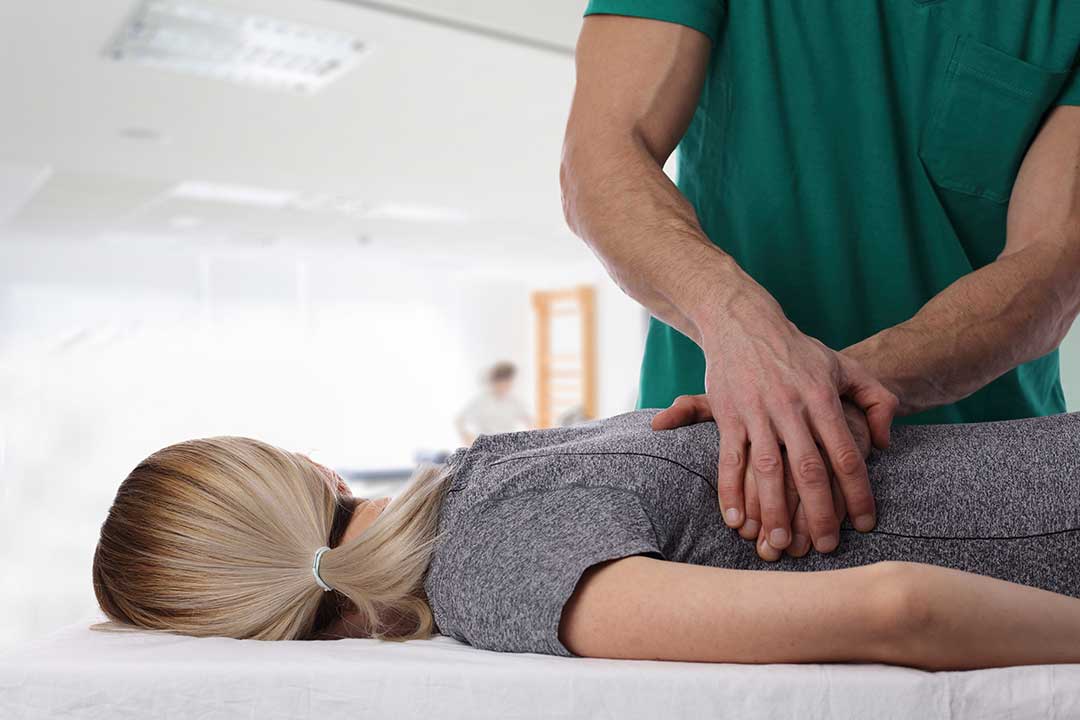
Chiropractic education commonly emphasizes the relationship between spinal movement, muscle tension, posture, and daily activity. A careful assessment may help distinguish ordinary muscle-related discomfort from symptoms that need medical evaluation. Education about lifting, movement habits, and gradual activity can also be useful.
However, no single approach is appropriate for every type of back pain. Manual techniques, exercise-based care, physical therapy, medication, behavioral strategies, or medical evaluation may each have a role depending on the symptoms and underlying cause. Stress management should complement—not replace—an assessment when pain is persistent, severe, or unusual.
When is back pain a warning sign?
Stress should not be used to explain away symptoms that may require prompt attention. Medical evaluation is especially important for back pain that:
- Follows a fall, collision, or other significant injury.
- Is severe, worsening, or not improving after several weeks.
- Travels down a leg and includes numbness, tingling, or weakness.
- Occurs with fever, unexplained weight loss, or feeling seriously unwell.
- Causes new difficulty controlling the bladder or bowels.
- Is accompanied by numbness around the inner thighs or groin.
These symptoms can have causes unrelated to stress and may require urgent assessment. ([mayoclinic.org](https://www.mayoclinic.org/diseases-conditions/back-pain/symptoms-causes/syc-20369906?utm_source=openai))
The practical takeaway is that stress and back pain often influence each other. Tension can increase discomfort, while pain can create more worry and reduce sleep or activity. Recognizing that cycle allows residents to address both the physical symptoms and the pressures that may be keeping the body tense.
