
 See Our Latest Article on HelloNation
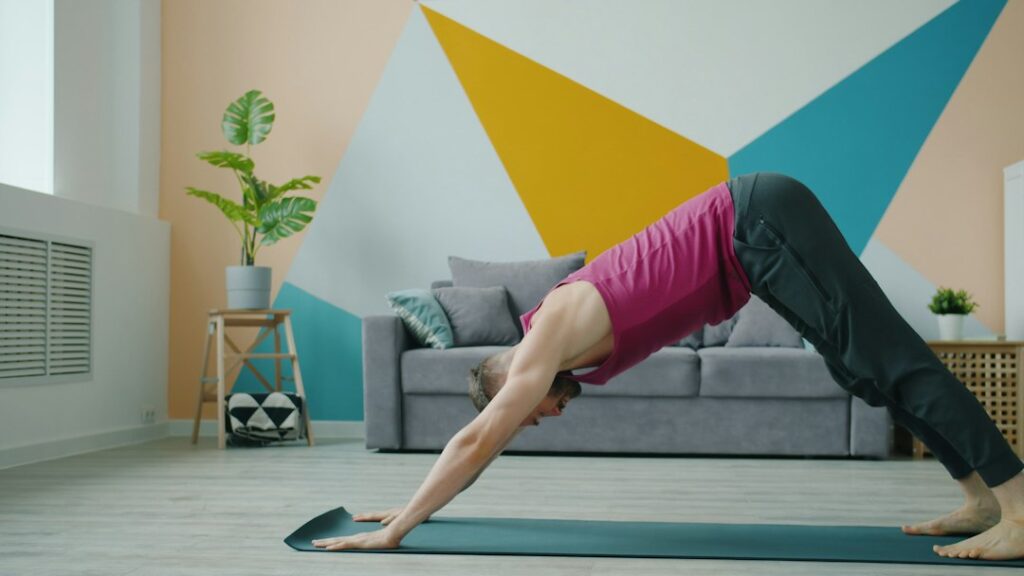
Back strength is not just about the muscles directly beside the spine. The abdomen, hips, pelvis, and upper legs all help control movement and reduce unnecessary strain during lifting, walking, reaching, and prolonged sitting. A balanced routine that combines gentle mobility with gradual strengthening can support everyday function and may help reduce recurring discomfort.
For residents of Chestnut Ridge, seasonal tasks such as shoveling, raking, gardening, carrying supplies, or walking on uneven winter surfaces can place extra demands on the back. Building strength before those activities become strenuous is generally more useful than waiting until soreness appears.
Which exercises are most useful for back strength?
The most practical exercises are those that train the trunk to stay stable while the arms and legs move. They do not need to be complicated or performed with heavy weights.
A simple starting routine may include:
- Pelvic tilts
- Glute bridges
- Bird-dog movements
- Modified planks
- Bodyweight squats
- Gentle walking
The goal is controlled movement, not fatigue. Begin with one set of 8 to 10 repetitions, or hold a position for 10 to 20 seconds. If the movements feel comfortable for several sessions, gradually add repetitions or a second set.
How do pelvic tilts help?
Pelvic tilts gently activate the abdominal muscles and help a person recognize a neutral, supported lower-back position.
To perform them:
1. Lie on your back with your knees bent and feet flat on the floor.
2. Keep your arms relaxed by your sides.
3. Slowly tighten your abdominal muscles and gently flatten the small space beneath your lower back toward the floor.
4. Hold for about five seconds, then relax without arching forcefully.
5. Repeat 8 to 12 times.
This exercise should feel mild and controlled. It is not meant to create a strong stretching sensation or pressure in the spine.
Why are glute bridges helpful for the back?
The glute muscles help extend the hips and share work that might otherwise be placed on the lower back. Bridges also train coordination between the abdomen, pelvis, and hips.
To perform a bridge:
1. Lie on your back with knees bent and feet about hip-width apart.
2. Tighten the abdomen gently.
3. Press through the feet and lift the hips until the shoulders, hips, and knees form a comfortable diagonal line.
4. Pause briefly while squeezing the buttocks.
5. Lower slowly.
Start with 8 repetitions. Avoid pushing the hips so high that the lower back arches sharply. If cramping occurs in the hamstrings, move the feet slightly closer to or farther from the body and reduce the height of the lift.
How does the bird-dog exercise strengthen the trunk?
The bird-dog challenges balance and teaches the back and abdominal muscles to stabilize the spine while the limbs move. This resembles many daily activities, such as reaching, climbing stairs, or carrying an object with one hand.
Begin on your hands and knees with the hands below the shoulders and knees below the hips. Brace the abdomen lightly, then extend one leg behind you. If that feels steady, add the opposite arm. Hold for a few seconds and return to the starting position. Alternate sides.
The spine should remain relatively still. Do not twist the pelvis or lift the arm and leg higher than control allows. Performing only the leg movement is a useful modification.
Are planks safe for building back strength?
A modified plank can strengthen the abdominal and trunk muscles without requiring equipment. It is usually easier to begin with the knees on the floor rather than holding the body on the toes.
Place the forearms on a stable surface or the floor, keep the knees down, and form a straight line from the knees through the hips to the shoulders. Tighten the abdomen gently and breathe normally. Hold for 10 seconds, rest, and repeat two or three times.
Stop if the lower back begins to sag, the shoulders become painful, or the exercise causes sharp symptoms. Longer holds are not automatically better. Good alignment and steady breathing matter more than duration.
Can squats support back health?
Squats strengthen the hips and legs, which are essential for lifting and rising from a chair. Stronger legs can also reduce the tendency to bend repeatedly through the waist.
Stand with the feet about shoulder-width apart. Push the hips back as though sitting into a chair, bend the knees comfortably, and return to standing by pressing through the feet. Keep the chest relaxed and the knees generally aligned with the feet.

Use a chair behind you as a depth guide if needed. A shallow squat is appropriate at first. The movement should be smooth rather than fast, and the back should not be forced into an exaggerated upright position.
How often should these exercises be done?
A short routine two or three days per week is a reasonable starting point, with easy walking on other days when tolerated. Some people benefit from brief movement breaks every 30 to 60 minutes during long periods of sitting.
A useful progression is:
- Start with exercises that feel easy enough to repeat consistently.
- Add two or three repetitions every week if symptoms remain stable.
- Increase holding time gradually rather than doubling it suddenly.
- Add resistance only after bodyweight movements are controlled.
- Keep at least one rest or lighter-activity day if the muscles remain sore.
Walking, swimming, gentle yoga, and other low-impact activities can complement strengthening. The best routine is one that can be performed regularly without worsening symptoms.
Should exercises be done during back pain?
Mild muscle effort or temporary stiffness can be normal, but exercise should not produce sharp, electric, or escalating pain. A person with a new back injury, significant ongoing pain, or pain traveling into the leg should avoid guessing which exercises are appropriate.
It is generally preferable to remain gently active rather than stay in bed for long periods, but activity should be adjusted to the symptoms. Short walks, position changes, and comfortable movements may be better tolerated than a full strengthening session during a flare-up.
Before beginning a new routine, individualized medical guidance is especially appropriate for people with osteoporosis, recent surgery, significant arthritis, neurological symptoms, pregnancy-related concerns, or other diagnosed conditions affecting the spine.
When does back pain require prompt medical attention?
Seek urgent medical evaluation for back pain accompanied by new loss of bladder or bowel control, numbness around the inner thighs or groin, severe or progressive leg weakness, fever, unexplained weight loss, major trauma, or pain that is severe and unrelenting.
A medical assessment is also sensible when pain persists despite reasonable self-care, repeatedly interferes with sleep or normal activities, or continues to worsen. Exercise can support back health, but it should not be used to mask warning signs.
What daily habits protect the back?
Strengthening works best alongside ordinary movement habits. During seasonal chores, divide heavy loads into smaller amounts, keep objects close to the body, and pivot with the feet instead of twisting while carrying. Take short breaks during raking, gardening, or snow-related tasks rather than waiting until the back is tired.
At a desk or kitchen table, change positions regularly. During longer drives, stand and walk briefly when practical. Comfortable footwear and gradual preparation for physically demanding activities can also reduce unnecessary strain.
The purpose of back exercises is not to keep the spine rigid. It is to develop enough strength, mobility, and coordination to move confidently through normal daily life.
